

OLYVENRA
Parent platform for governance, international growth, brand architecture and coordinated group identity.
olyvenra.com
OLYMEDICA helps manufacturers, distributors and professional healthcare buyers turn a defined product requirement into a documented commercial process. Our work covers supplier qualification, product classification and intended purpose, destination-market preparation, channel development, institutional procurement and traceable follow-up. The scope includes non-pharmaceutical devices, equipment, consumables, diagnostics, rehabilitation, care and selected complementary-care products. We do not sell medicines or provide diagnostic or treatment advice.
 Medical Market Access Desk
A dedicated commercial desk for qualified product enquiries, supplier shortlists, distributor engagement, procurement planning and controlled documentation.
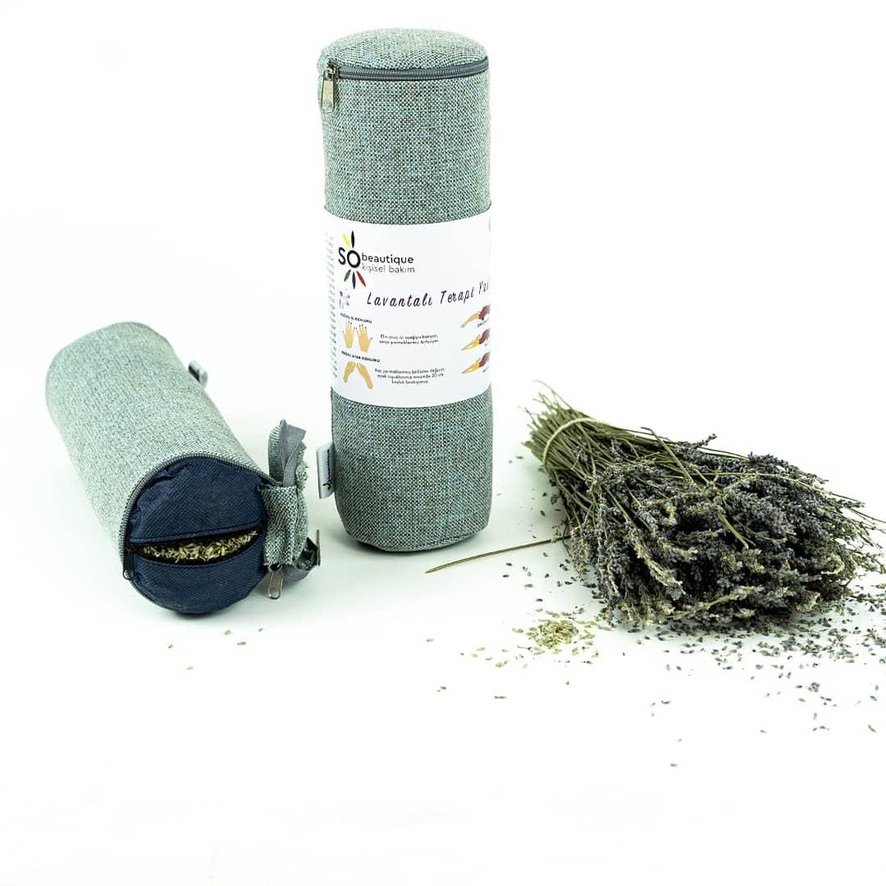
Lavender pillow: TRY 2,200 per item. Maximum 5 items per order; shipping is paid by the customer. Request pricing for cups, leeches and medical supplies.
OLYMEDICA · OLYVENRA
OLYMEDICA leads the group’s work in non-pharmaceutical medical products. It qualifies enquiries, clarifies product categories, assesses the commercial feasibility of the proposed market pathway and prepares the documentation needed before buyers, distributors or suppliers are introduced. The role is business-to-business and evidence-led: product owners need credible channels, buyers need verifiable information and both sides need clear responsibilities.
 OLYMEDICA | International Non-Pharmaceutical Medical Products and Market Access | OLYVENRA Strategic Group
Parent platform for governance, international growth, brand architecture and coordinated group identity.
olyvenra.com
Defence, security, dual-use and resilience channel for regulated market access and qualified partnerships.
olydefence.com
Medical-product sourcing, distributor development and buyer-access channel for healthcare and complementary-product requirements.
www.olymedica.com
Energy, electric-mobility, charging infrastructure and battery-systems channel.
www.olyelectra.com
Aerospace, aviation support, UAV/UAS ecosystem and advanced-engineering channel.
www.olyaerospace.comOLYMEDICA helps qualified manufacturers, suppliers, clinics, laboratories, hospital groups, rehabilitation providers and institutional buyers structure product, documentation and market-access requirements. A technically suitable product may be ready, but market access still depends on classification, evidence, local representation, buyer qualification, supply continuity and post-market responsibilities.
The OLYVENRA framework adds discipline to that work. Counterparties are profiled, supplier material is requested early, sensitive wording is moderated and communication stays commercial rather than speculative.
Market entry depends on more than product availability. OLYMEDICA assesses destination priority, potential importer or distributor roles, buyer eligibility, documentation gaps, logistics, service requirements and permissible claims before commercial outreach begins. Traditional or complementary-care categories are handled only as product-supply opportunities where local rules allow, never as treatment recommendations.
Define the product category, target country, buyer profile, distribution structure and first commercial use case before introductions begin.
Identify product owners, authorised distributors and specialist suppliers able to support the requirement with credible material.
Engage appropriate importers, distributors, healthcare providers, laboratories, general wellness operators or institutional buyers according to the approved market plan.
Build the early conditions for repeat demand: clarity, confidence, documents, availability and a realistic next step.
The operating model is structured around six actions: define the product, verify the supplier, assess destination-market requirements, prepare evidence, identify the appropriate counterparty and maintain a reviewable commercial record.
Targeted search and qualification for medical devices, consumables, equipment, diagnostics, rehabilitation, care and selected general wellness or complementary-care product categories.
Support for product owners seeking importers, distributors, clinic groups, hospital networks, institutional buyers or project partners in selected markets.
Structured intake for hospitals, clinics, laboratories, NGOs, public buyers and private healthcare groups with defined purchasing needs.
Country-fit review, category positioning, buyer language, availability context and first-stage commercial material before market conversations begin.
Professional supply discussions for hijama, dry or wet cupping and related non-biological accessories where the products, practice and commercial channel are locally permitted.
Early collection of product sheets, certificates, supplier identity, usage context and permitted wording so opportunities remain credible.
Every category is assessed against its intended purpose, regulatory classification, supplier evidence, eligible user, care setting, destination-market requirements and commercial suitability. Inclusion on this page does not confirm availability, approval or suitability for a specific buyer.
Clinical equipment, monitoring products, procedural devices, patient-care equipment and healthcare technologies for defined buyer segments.
Medical and surgical consumables, infection-control items, PPE, procedure packs, wound-care and routine clinical categories.
Diagnostic equipment, testing products and laboratory consumables for laboratories and healthcare projects, subject to classification and applicable requirements.
Mobility, rehabilitation, elderly-care, home-care and patient-support products for professional and institutional needs.
Selected non-ingestible general wellness products and professional complementary-care accessories where documentation, product classification and local rules support discussion.
Professional supply discussions for cups, pumps, single-use accessories, protective barriers and waste-handling products, without treatment or outcome promises.
Product families are organised by clinical function and purchasing context. Each enquiry is screened for classification, intended purpose, permitted user, destination-country requirements, supplier documentation, logistics and service support before a commercial process is proposed.
Non-pharmaceutical equipment used to examine, measure or monitor in professional and home-care settings. Review covers intended use, measurement range, accuracy, calibration, accessories, service needs and the permitted user profile.
Equipment that supports positioning, transfer, examination and day-to-day care. Load rating, stability, cleanability, ergonomics, spare parts, installation and maintenance must match the care environment.
Protective and environmental-control products for clinical workflows. Material specification, applicable performance standard, size range, shelf life, packaging integrity and single-use status are checked before supply discussions.
Products for protection, absorption, fixation, compression and first-response preparation, without pharmaceutical ingredients. Sterility, absorbency, dimensions, materials, skin-contact information and professional-use limits are reviewed.
Controlled professional-use supplies for procedural environments. Sterile-barrier validation, single-use labelling, biocompatibility, connection compatibility and sharps or waste-disposal requirements are central to qualification.
Equipment and consumables for specimen collection, preparation, measurement and point-of-care workflows. IVD classification, performance documentation, controls, storage, user training and local registration are assessed separately.
Products supporting mobility, transfer, positioning and rehabilitation programmes. User dimensions, load capacity, adjustability, pressure management, material safety and fitting or training requirements guide selection.
Device accessories and care consumables for specialist pathways, excluding medicines. Connection standards, material compatibility, sterility, prescription or professional-use restrictions and disposal requirements must be clear.
Products designed to make routine care safer, more dignified and more manageable. The review considers user capability, caregiver workflow, skin contact, fall risk, cleaning, sizing and discreet packaging.
Time-critical equipment and organised supply sets for trained teams. Configuration, readiness checks, shelf life, inspection frequency, compatibility and training obligations are documented before procurement.
Equipment, instruments and consumables for specialist environments. Intended specialty, sterilisation method, material and patient-contact profile, installation, consumable continuity and service coverage shape the supply process.
Operational products that protect workflow, stock and care environments. Chemical compatibility, clean/dirty separation, colour coding, waste classification, staff safety and local disposal rules are considered.
Out of scope: prescription and non-prescription medicines, pharmaceutical preparations, ingestible products, injectable therapeutic substances, live or biological therapeutic materials and patient-specific treatment recommendations. A listed product family is not a promise of availability, approval or regulatory acceptance; every request is screened for the destination market.
These products may sit within professional practice, traditional use or general wellness settings depending on their design, intended purpose and local classification. OLYMEDICA describes the documented physical function, permitted user, contraindications and relevant controls. Traditional concepts and subjective experience are not presented as established diagnostic, preventive or therapeutic effects.
Wet cupping combines suction with intentional skin piercing. Because blood exposure changes the risk profile, OLYMEDICA considers supply only to qualified professional or institutional buyers where the practice and products are locally permitted.
No home self-treatment instruction and no cure, detoxification or guaranteed-benefit claim. Evidence for therapeutic benefit remains limited.
Dry cupping creates local negative pressure with a manual pump, flexible cup or another documented mechanism, without intentional skin piercing. Product review focuses on controllable suction and predictable contact with the skin.
Where permitted, the category may be presented for massage or relaxation routines. Bruising, burns, skin injury and infection are possible; circulation or treatment claims require product-specific evidence and authorisation.
An engineered standing or massage board with rounded, controlled contact points can apply local sensory pressure to the soles during brief, supported use. It may be positioned as a meditation, sensory or self-massage accessory—not as an acupuncture treatment.
Claims that it accelerates circulation, clears energy blockages or activates acupuncture points are not stated as fact. The responsible language is limited to pressure sensation, mindfulness practice and subjective relaxation.
A broad international catalogue is credible only when each item can be identified, classified, documented, transported, maintained and recalled responsibly. OLYMEDICA applies a risk-proportionate screening framework aligned with the destination market and buyer setting.
Confirm whether the item is a medical device, IVD, PPE, general wellness product or another regulated category; record the exact intended purpose, user and use environment.
Verify the legal manufacturer, brand owner, authorised representative, importer or distributor as applicable, together with addresses, authority and supply-chain roles.
Review applicable certificates, declaration of conformity, technical documentation availability, quality-system context and scope rather than relying on a logo or unsupported claim.
Check product identity, intended purpose, warnings, symbols, storage, single-use or reusable status, sterile status and required destination-language information.
Match every measurement, clinical, wellness or performance statement to product-specific evidence and locally permitted wording; remove unsupported cure, detox or guaranteed-outcome language.
Capture model or catalogue number, lot or serial number, UDI where applicable, manufacturing and expiry dates, packaging levels and recall-ready records.
Define storage and transport conditions, cold-chain needs where relevant, installation, calibration, maintenance, spare parts, training and warranty coverage.
Require an established procedure for incident reporting, complaint handling, corrective action, field-safety communication and product recall, with named responsibilities on both sides.
Each buyer segment has different expectations for product evidence, user eligibility, logistics, service and local compliance. OLYMEDICA aligns the supplier conversation with the setting in which the product will be purchased and used.
Supply planning for private clinics, hospital groups and professional healthcare environments with defined product needs.
Channel development for distributors evaluating documented medical, care, rehabilitation or general wellness product lines.
Supplier engagement, classification review and technical documentation for laboratory, diagnostic and testing-product categories.
Product-supply support for mobility, patient care, home care, rehabilitation and long-term care requirements.
Controlled supply discussions for selected non-ingestible general wellness products, hijama and cupping accessories, subject to product classification and local permissions.
Structured requirement handling for institutional programmes, tenders, field projects and planned procurement needs.
OLYMEDICA supports product sourcing and market access but does not approve clinical claims, determine regulatory status for a competent authority or replace jurisdiction-specific professional advice. Public wording is limited to the manufacturer’s documented intended purpose and product-specific evidence.
The site avoids online-pharmacy, prescription-medicine and direct-to-patient treatment-sales language.
Manufacturer identity, product literature, applicable certificates, intended purpose, availability and target-market context are requested before qualified introductions.
Medical, performance, general wellness and traditional-use statements must be supported by product-specific evidence and permitted in the destination market.
Import, registration, labelling, hygiene, infection-control and professional-use expectations are considered market by market.
Sensitive documents, pricing material, certificates and procurement notes are shared only in the appropriate relationship context.
The process identifies incomplete or unsuitable enquiries early and gives qualified requirements a documented sequence of review, evidence preparation, counterparty selection and follow-up.
Clarify product type, intended use, buyer profile, volume, target country, timing and any claim or sensitivity issues.
Identify possible manufacturers, authorised distributors, import structures, professional-use constraints and practical supply options.
Collect product sheets, certificates, photos, supplier profiles, availability notes and buyer-facing information before introductions.
Select the most relevant distributor, importer, clinic, institution, project buyer or supply channel before introductions.
Track responses, clarify questions, organise next steps and move only qualified discussions into commercial development.
The OLYVENRA framework supports OLYMEDICA with public governance policies, counterparty screening, controlled document handling, claims discipline, international communication and a clear exclusion of medicines from the commercial scope.
Focused on credible suppliers, accurate product information and realistic availability.
Prepared for cross-border discussions with buyers, distributors, product owners and project teams.
Requirements, supplier profiles, buyer notes and product material are treated as business records, not casual messages.
Company information, capability material, supplier forms, buyer forms and group policies are organised by purpose and access level. Product-specific certificates, technical files and commercial records are reviewed through controlled channels. For an accessible version of a published document or form, email info@olyvenra.com.
No documents match this search. Try a broader term.
Company position, group context, operating model and healthcare-product focus areas.
Download PDFConcise summary of sourcing, market-access, buyer-engagement and coordination capabilities.
Download PDFInformation request, onboarding structure and evidence checklist for product owners and suppliers.
Download PDFFirst-stage material for buyers defining category, volume, destination, timing and document needs.
Download PDFChecklist for product literature, certificates, supplier identity, intended use and buyer-facing material.
Download PDFShort guide to careful product language, quality context, local permissions and non-clinical communication boundaries.
Download PDFDetailed intake for non-pharmaceutical medical equipment, devices, consumables and service requirements, including intended use, regulatory evidence, traceability, delivery and support.
Risk-based onboarding for manufacturers, authorised representatives, distributors and specialist suppliers, covering quality, vigilance, recall and traceability.
Proportionate counterparty review covering identity, ownership, sanctions, regulated goods, data handling, supporting evidence and authority.
Structured request for confidential discussions and controlled document exchange, including scope, parties, timing and compliance sensitivity.
Professional conduct expectations for group companies, suppliers, partners and representatives.
Download PDFZero-tolerance position on bribery, facilitation payments and unfair business advantage.
Download PDFCommitments on ethical labour practices, fair treatment and human rights.
Download PDFPublic summary of personal data protection and responsible information handling commitments.
Download PDFPublic summary of baseline information security commitments.
Download PDFEnvironmental responsibility, sustainability and ESG governance principles.
Download PDFResponsible business, social value and community contribution commitments.
Download PDFQuality principles, governance and continuous improvement approach.
Download PDFResponsible procurement and supplier conduct expectations.
Download PDFPractical framework for monitoring and reducing carbon impact.
Download PDFPublic summary of responsible, ethical and controlled use of AI tools.
Download PDFShared only after an approved opportunity and clear commercial scope.
Request accessIssued during supplier onboarding or project-specific review.
Request accessProvided only for approved market or partner discussions.
Request accessIssued per counterparty for confidential discussions and document exchange.
Request accessCommercially sensitive and not published as an open download.
Request accessPrepared only for a defined project, scope and review pathway.
Request accessShared only where the receiving party and project context are appropriate.
Request accessAvailable upon approved assurance request.
Request accessContact OLYMEDICA with the product category, intended purpose, destination country, buyer type, expected volume, timeframe and available documentation. Do not submit patient-identifiable information or clinical requests through this business channel.